Separate the bait on the rig from loose feed
The Catch’s ledger-fishing explanation identifies throwing sticks and spod rods as ways of baiting an area. That is distinct from the hook bait selected on the fishing arrangement. In a session plan, record the two separately. Otherwise you can remember feeding a chosen area while forgetting which actual presentation was left there.
Give the target area a landmark
Before adding feed, choose a visible bank reference and understand the casting controls you are using. A vague intention to bait “somewhere in front” is difficult to connect to later rod positions. Keep the reference simple enough to recognise after switching equipment. The task is spatial organisation: the feed plan and the fishing casts should refer to the same intended area rather than two unrelated directions.
An illustrative two-rod problem
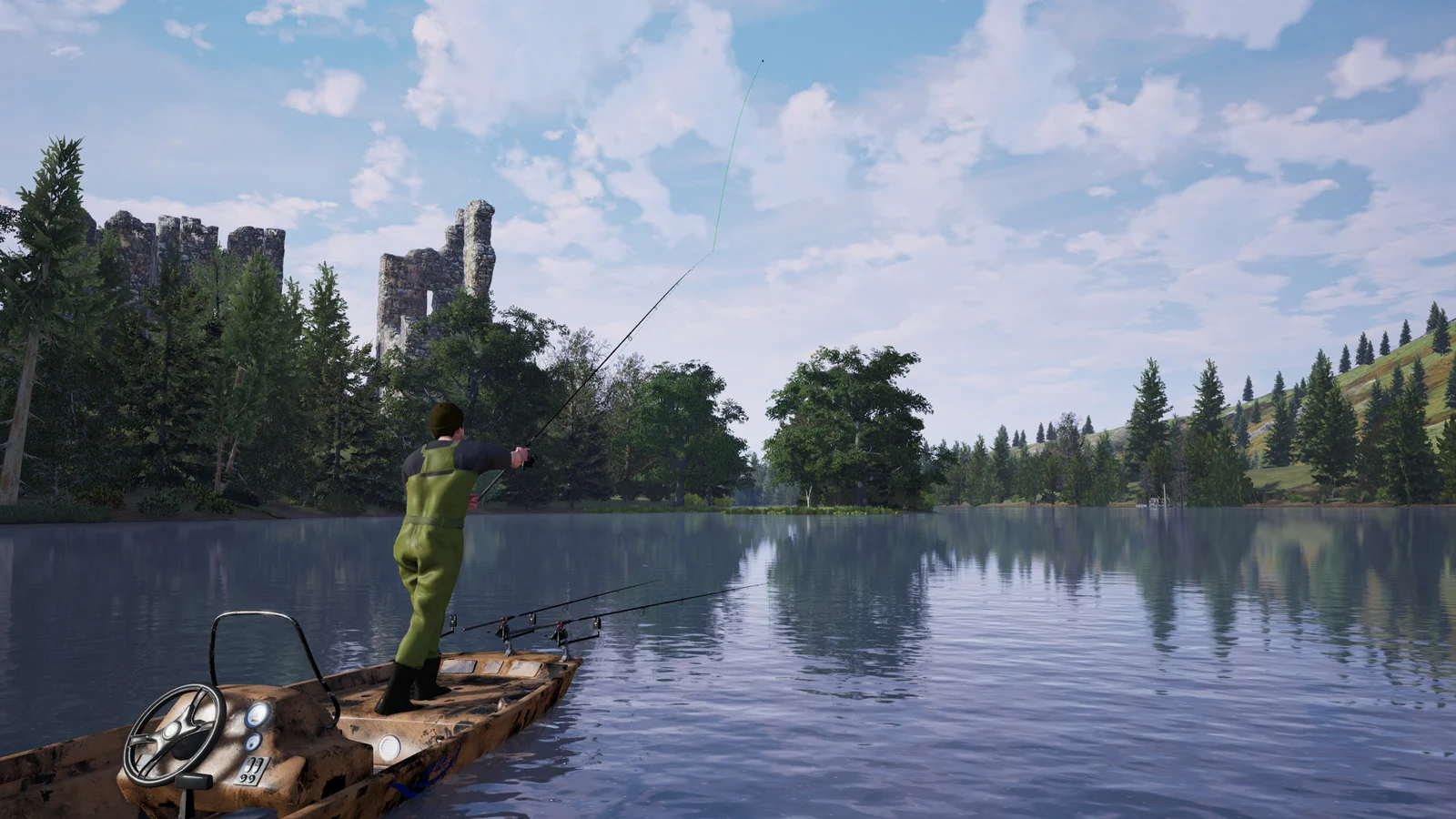
Suppose you prepare one area but cast a second arrangement towards a different feature because its direction looks appealing. That may be a deliberate second plan, but it is no longer the same fed-area comparison. Note which rod is intended for the prepared area and which is exploring elsewhere. The example explains organisation without assuming exact quantities, attraction radii or a guaranteed effect that the manual does not specify.
Do not confuse activity with certainty
Feeding is an available part of the game’s method, not a command that summons a particular carp on demand. Keep the details you can actually verify: equipment used, chosen area and the arrangement fishing it. Avoid adding imaginary timers or claims about how much feed a named boss needs. A clear log supports a meaningful return even when the outcome is quiet.
A practical layout for the page
Use three labelled boxes: prepared area, feed equipment, and fishing arrangement. Draw an arrow from each equipment box to the same area only when that is the plan you actually followed. This small diagram communicates the session more clearly than an impressive picture of several rods with no connection to their targets.